이 누리집은 대한민국 공식 전자정부 누리집입니다.
Samnangseong Fortress, Ganghwa
- Dolmen in Bugeun-ri, Ganghwa
- Chamseongdan Altar, Ganghwa
- Ganghwa Anglican Church
- Golleung Royal Tomb, Ganghwa
- Deokjinjin Fort, Ganghwa
- Outer Wall of Ganghwa Fortress
- Mangsan Beacon Station, Ganghwa (No. 5 Line of Beacon Fire Stations)
- Gareung Royal Tomb, Ganghwa
- Seongneung Royal Tomb, Ganghwa
- Samnangseong Fortress, Ganghwa
- Seonwonsa Temple Site, Ganghwa
- Goryeo Palace Site, Ganghwa
- Gwangseongbo Fort, Ganghwa
- Gapgotdon Outpost, Ganghwa
- Ganghwasanseong Fortress
- Chojijin Fort, Ganghwa
- Hongneung Royal Tomb, Ganghwa
Samnangseong Fortress, Ganghwa
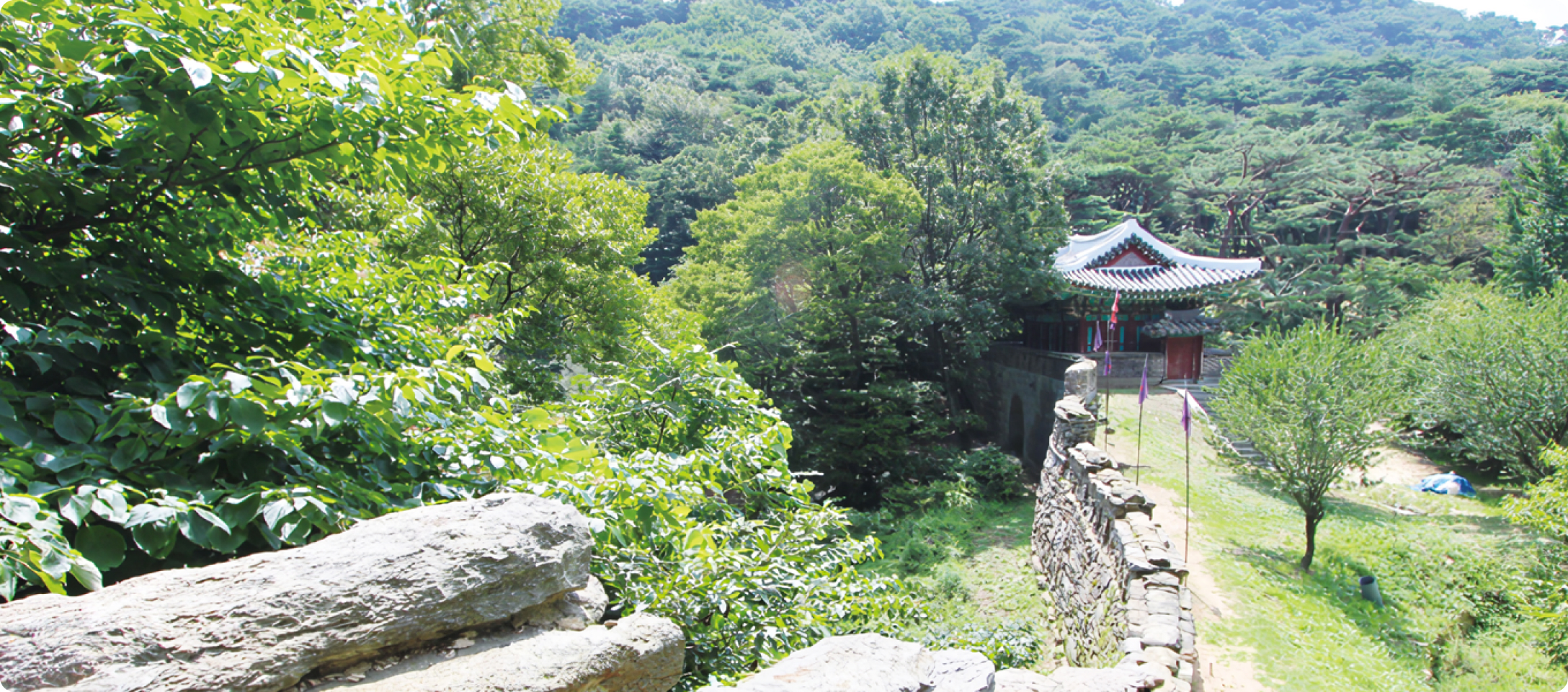
Samnangseong Fortress (三郞城) is said to have been built by Dangun’s three sons, from whom it takes its name. Together with Chamseongdan Altar on Manisan Mountain, it is a valuable historical site associated with Dangun, with related traditions preserved in written records. The History of Goryeo and the Geography Section of the Annals of King Sejong contain accounts stating that Dangun’s three sons built Samnangseong Fortress. Also known as Jeongjoksanseong Fortress (鼎足山城), it has a circumference of approximately 2,300 meters. Although the exact date of its construction is unknown, the use of roughly split stones (割石), a construction technique characteristic of the Three Kingdoms period, suggests that the fortress was built during that period. During repairs in 1739, the 15th year of the reign of King Yeongjo, a gate pavilion was built above the south gate and named Jonghaeru Pavilion (宗海樓), and the fortress was repaired again in 1764, the 40th year of King Yeongjo’s reign. During the French expedition to Korea in 1866, the third year of the reign of King Gojong, it was the site of a victory in which troops led by Yang Heon-su repelled French forces advancing toward the east and south gates. Jeondeungsa Temple, founded during the Three Kingdoms period, is located within the fortress. During Goryeo’s resistance against the Mongol invasions, a temporary palace (假闕) was built inside the fortress, although its exact site is unknown. During the late Joseon period, the Jeongjoksago Archive was built to house the Annals of the Joseon Dynasty, the Seonwonnok royal genealogy, and other records, and the Jeongjokjin military post was established there.
자료관리 담당자
- 담당부서
- 강화군청
- 담당팀
- 전화
- 032-930-3114